

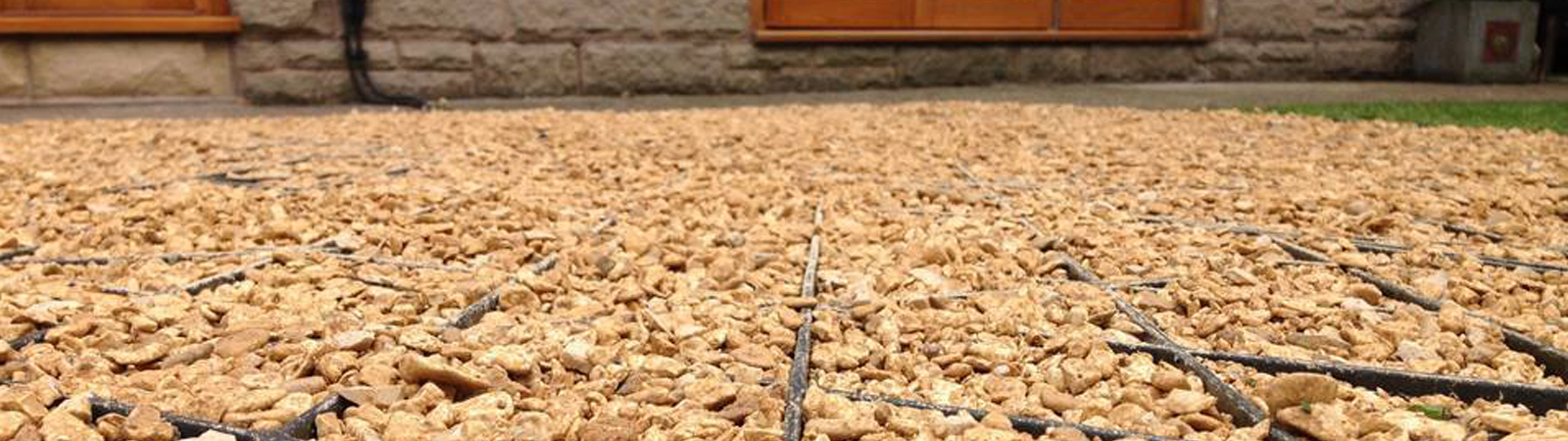
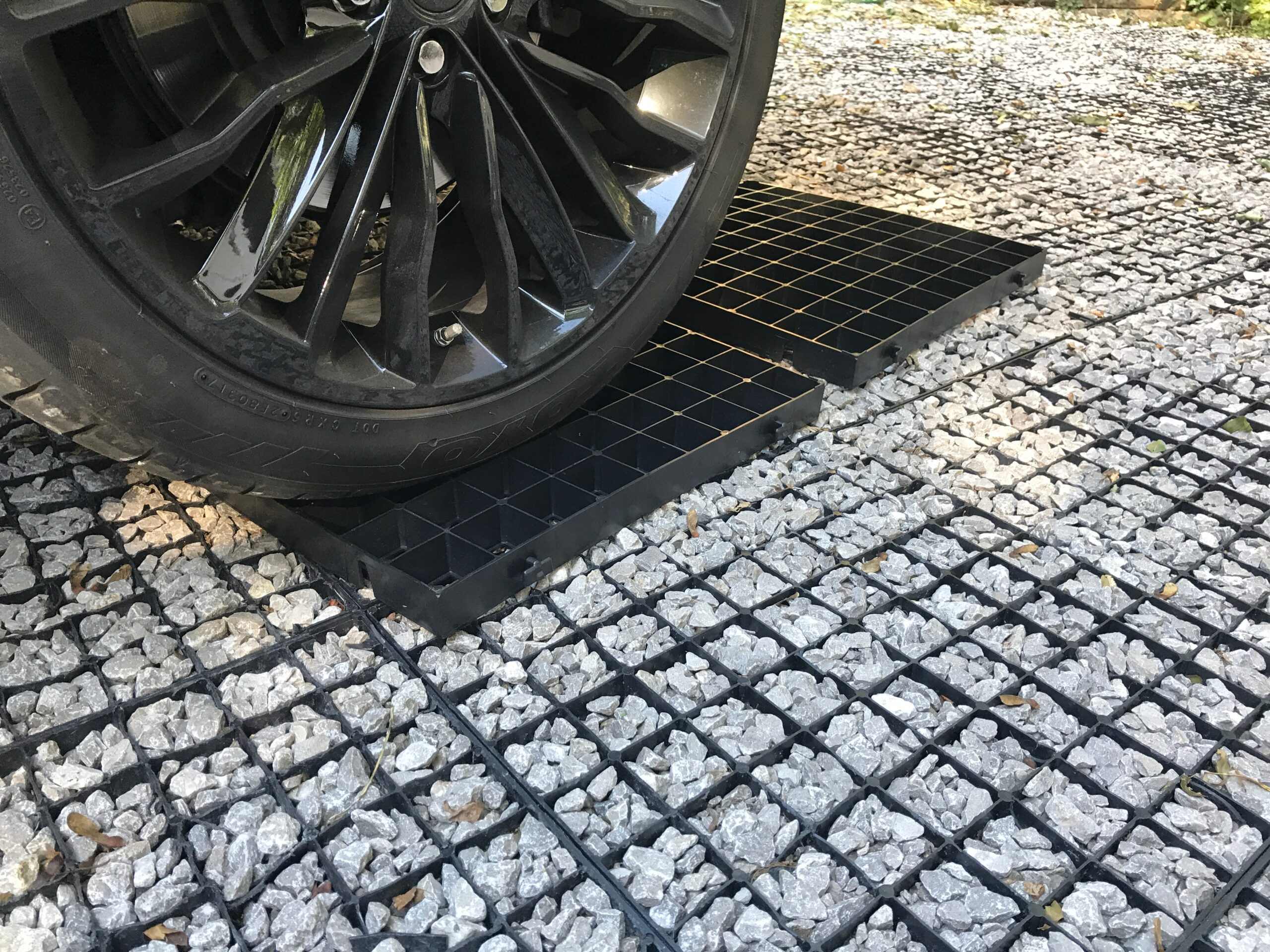
Upgrading your driveway is a chance to improve the look of your home while making a few more environmentally conscious choices. But when you start looking at different materials, it can be difficult to work out what is genuinely a better option and what is simply being marketed as “eco-friendly”.
In this blog, we’ll look at some options for creating a driveway that’s practical, looks good and has a lower environmental impact.
What Makes a Driveway Product Eco-Friendly?
It is worth looking beyond the label. An environmentally conscious driveway product can be one that makes better use of recycled materials, lasts for many years, reduces waste or helps manage rainwater more effectively.
For example, choosing a product made from fully recycled materials can help give existing resources another use rather than relying entirely on newly manufactured materials. Durability matters too. A surface that needs replacing after only a few years can create more waste and require more resources than one designed to stay in place for much longer.
Will an Eco-Friendly Driveway Actually Be Durable Enough?
This is a fair concern. Nobody wants to spend money upgrading their driveway only to worry about whether it might crack under pressure. After all, a driveway must deal with much more than people walking across it. Cars, changing weather conditions, regular use and general wear can all take their toll.
That is why durability should be part of your sustainability checklist. A product that is designed for long-term outdoor use can make more sense than choosing the cheapest option and replacing it repeatedly.
Think about how you actually use your driveway, too. If you regularly have several vehicles parked there, for example, the material and installation method need to be appropriate for the expected load it will be subjected to.
Are Eco-Friendly Driveway Products More Expensive?
They can be, but the cheapest price is not always the cheapest option over the lifetime of your driveway.
It is easy to compare two products based on their initial cost and assume the less expensive one is better value. But what happens if it requires more maintenance, wears out sooner or needs replacing?
Instead, consider the overall cost of the project, including installation, maintenance and expected lifespan.
You also do not necessarily have to make every part of your driveway project as “green” as possible. Sometimes the most sensible approach is to choose a durable product with completely recycled content, improve drainage where appropriate and avoid unnecessary replacement or waste.
What Should I Consider Before Choosing an Eco-Friendly Driveway Product?
Start with the practical questions.
- How much traffic will the driveway receive daily, weekly and monthly?
- Will it mainly be used by one family car, or will several vehicles regularly park on it? What kind of finish do you want?
- How much maintenance are you prepared to do?
- What is your budget?
- How does the existing driveway handle rainwater?
It is also worth considering where a product comes from, what it is made from, how long it is expected to last and whether it is suitable for your particular needs.
Asking these questions can help you avoid choosing a product simply because it sounds sustainable, when it may not actually be the right option for your property.
So, What Eco-Friendly Products Should I Choose for My Driveway?
At EcoDeck, we supply durable driveway materials made using more environmentally conscious manufacturing processes.
If you’re upgrading your driveway, take a look at our range to find a material that suits your property, how you use the space and your budget. An eco-friendly choice still needs to be practical, hard-wearing and fit for purpose.